

- What Your Family Notices About Your Hearing Before You Do - August 30, 2026
- The Hidden Impact of Untreated Hearing Loss on Social Confidence - August 17, 2026
- How Open Floor Plans and High Ceilings Can Affect Everyday Hearing - August 3, 2026
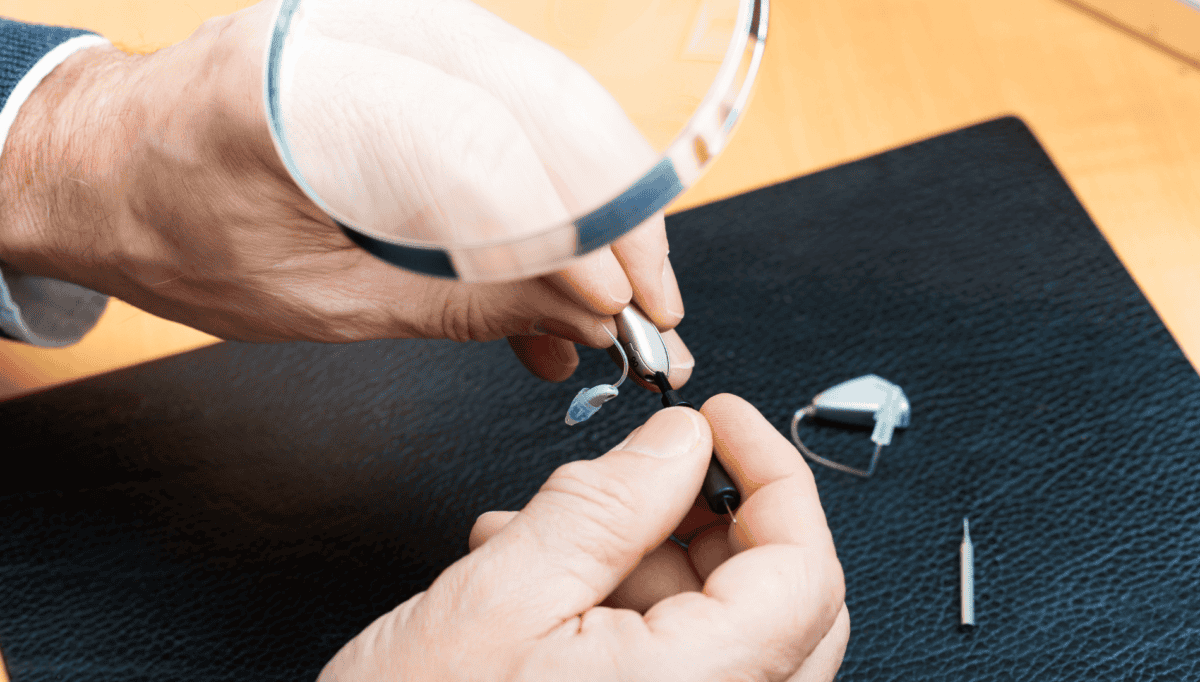
When malfunctioning, hearing aids affect sound, a person’s communication, and their daily routine. Thus, prompt repair is important. Visiting a hearing health professional requires effective communication to help eliminate guesswork and simplify device maintenance.
By asking the following questions in your appointment, you can ensure that you and the professional are working toward the same goal. It also improves preparedness and makes the process less intimidating, which is greatly welcomed. Following the given information, the following questions should be considered.
What Is The Exact Problem With The Hearing Aid?
Sometimes the issue feels clear. Sound through the hearing aid might be muffled, go on and off, or be completely gone. But that doesn’t mean that the exact cause or problem is clear. It’s best to ask the professional why the hearing aid is damaged and what to do to prevent it from happening again.
For instance, moisture damage means the person often handles the hearing aid with water, hair or body products, or oil on their hands. Other causes can be a blocked microphone or a battery issue. By understanding the cause, one can take care of their device and make it last longer.
Is This Something That Can Be Fixed Today?
Not every fault can be repaired right on the spot. There are some issues that are pretty simple, so the professional fixes them during the appointment, like replacing tubing, cleaning the parts, or changing the batteries. But major issues require the device to be sent to the manufacturer.
When visiting for hearing aid repair, ask if the fix can be done that day so that one knows what to expect. It’s also a good time to ask if they can provide a loaner device to use during that period. Knowing the repair timeline allows for better planning, as no one wants to spend a long time without their hearing aids.
What Can Be Done to Prevent This Issue in the Future?
Even if repairing the hearing aid will solve the problem, it’s best to ask for some maintenance tips to prevent the same issue and similar ones from happening again. This can include ways one can clean the device, store it better, and handle it throughout the day.
Moisture, wax, or accidentally dropping it are some of the common causes that can damage a hearing aid. By learning how to protect the device, the appointment becomes more valuable.
Is the Hearing Aid Still Under Warranty?
Warranties can make a big difference in how repairs are handled and what they might cost. Asking about warranty status clears up any confusion and helps avoid unexpected fees. If the device is still covered, certain repairs or part replacements may come at no extra charge.
If it’s out of warranty, the professional can go over what repairs are worth doing and which might suggest it’s time to consider other options. A quick check of the warranty helps guide the next steps and makes sure time and money are used wisely.
Is It Time to Consider Upgrading the Hearing Aids?
Hearing aids are built to last, but like any device, they don’t last forever. If the same issues keep happening or if repairs are becoming more frequent, it’s worth asking about upgrades. Newer hearing aids often offer better sound quality, longer battery life, and features that make life easier.
A hearing health professional can explain what’s available and whether an upgrade makes sense based on lifestyle and hearing needs. Asking this question doesn’t mean a new device will be pushed. It simply opens the conversation and provides a helpful perspective for future planning.
Take the Next Step Toward Reliable Hearing Care
Asking meaningful questions during a repair consultation builds trust, comprehension, and better hearing. Gaining more knowledge will make hearing aids easier to maintain over time. Fixing a problem is only part of the repairs.
Hearing aid repairs prioritize making sure the device produces audible and enjoyable sound every day. No matter the severity of the issues, hearing health professionals can help determine the next measures.